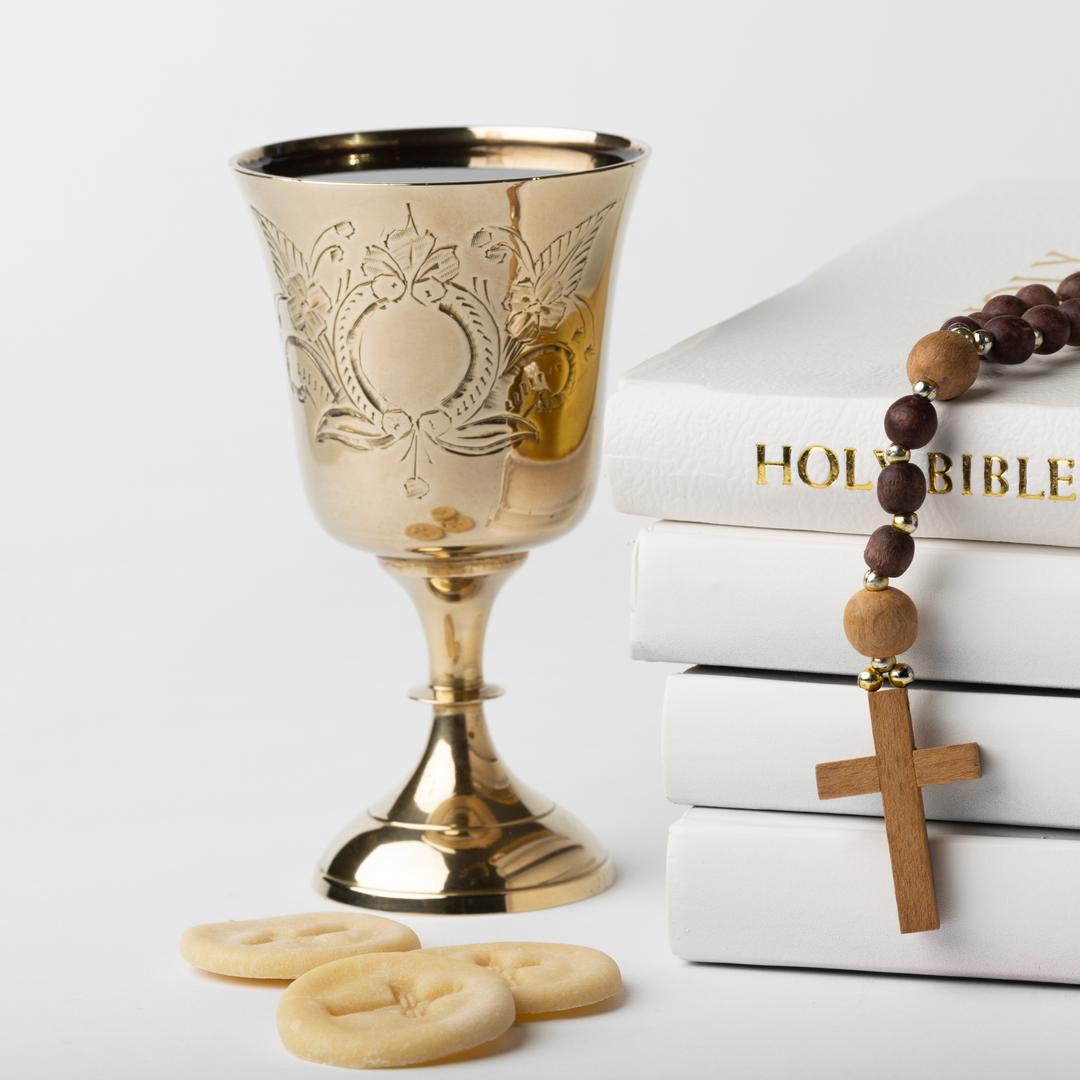
Communion vs Confirmation vs Baptism: What’s the Difference?
Baptism, First Communion and Confirmation are three important Christian milestones, but they are not the same ceremony. Baptism usually marks a person’s entry into the Christian faith. First Communion is the first time someone receives the Eucharist, also known as Holy Communion. Confirmation is often understood as a later step where a baptised person confirms or strengthens their faith.
In Catholic teaching, Baptism, Confirmation and the Eucharist are grouped together as the “sacraments of Christian initiation”, meaning they are closely connected in the journey of Christian life. The exact age, order and preparation can vary depending on the church, denomination and local parish, so families should always check guidance from their own church.
- 1. Baptism vs Communion vs Confirmation: Quick Breakdown
- 2. What is Baptism?
- 3. Is Baptism the same as Christening?
- 4. What is First Communion?
- 5. What is Confirmation?
- 6. What Comes First: Baptism, First Communion or Confirmation?
- 7. Communion vs Confirmation: Are They the Same?
- 8. Baptism vs Communion: What is the Difference?
- 9. Baptism vs Confirmation: What is the Difference?
- 10. Why These Ceremonies Matter
- 11. What Should You Wear to Baptism, Communion or Confirmation?
- 12. Outfits for Baptism, First Communion & Confirmation
Baptism vs Communion vs Confirmation: Quick Breakdown
| Ceremony | Simple meaning | Usually for | What happens | Typical outfit |
| Baptism / Christening | Entry into the Christian faith | Babies, children or adults | Water is used as part of the ceremony | White or ivory christening outfit for babies; smart modest clothes for guests |
| Communion | First reception of the Eucharist | Often children in Catholic tradition | The child receives Holy Communion for the first time | Girls often wear communion dresses; boys often wear communion suits |
| Confirmation | Strengthening or confirming faith | Older children, teenagers or adults | The person is confirmed, often with prayer, laying on of hands or anointing depending on tradition | Smart, modest occasionwear |
What is Baptism?
Baptism is often the first major Christian ceremony in a person’s life. In many churches, it marks entry into the Christian faith and the church community. For babies and young children, baptism is also commonly known as a christening, especially in the UK.
During a baptism, water is used as the central sign of the ceremony. Depending on the church tradition, water may be poured over the person’s head or the person may be immersed in water. In many family baptisms, the ceremony is followed by a celebration with relatives, godparents and friends.
For babies, families often choose a white or ivory christening gown, romper, suit or traditional outfit. White and ivory are popular because they feel pure, timeless and suitable for a church celebration.
Is Baptism the same as Christening?
In everyday UK language, baptism and christening are often used to mean the same thing, especially when people are talking about a baby or young child.
Strictly speaking, baptism refers to the religious sacrament or rite itself, while christening is often used to describe the ceremony around it, particularly when a child is named and welcomed. The Church of England explains that there is no difference between a christening service and a baptism service; some churches use the word “baptism” and others use “christening”.
So if your invitation says christening rather than baptism, you can usually treat it as the same kind of occasion for dress code and planning.
What is First Communion?
It is the first time a person receives Holy Communion, also known as the Eucharist.
In many Christian traditions, it involves receiving bread and wine, or bread and a blessing, as part of worship. It is connected with the Last Supper of Jesus and is one of the most important parts of Christian worship.
For children, it is often treated as a special milestone. It usually follows a period of preparation, where the child learns about the meaning of the Eucharist and the importance of the ceremony.

What is Confirmation?
It is a Christian ceremony where a baptised person confirms or strengthens their faith.
In many churches, it happens when a child is older and able to understand their faith more personally. In other cases, teenagers or adults may be confirmed as part of joining or becoming more fully involved in the church.
It is often connected with the Holy Spirit, commitment and taking a more mature step in Christian life. It is different from Baptism because Baptism marks the beginning of the faith journey, while Confirmation is usually a later step of personal affirmation.
What Comes First: Baptism, First Communion or Confirmation?
The order can vary depending on the church, but in many Catholic and Christian family settings, the order is usually:
- Baptism
- First Communion
- Confirmation
Baptism normally comes first because it marks the beginning of Christian life. First Communion often comes later, once the child has prepared to receive the Eucharist. Confirmation may then happen later again, when the person is older and ready to confirm their faith more personally.
However, this is not the same in every church. Some Christian traditions follow a different order, and adults may experience these ceremonies differently from children.
Communion vs Confirmation: Are They the Same?
No, they are not the same. Communion is connected with receiving the Eucharist. It is the first time a person receives it. The latter is connected with confirming or strengthening faith. It is a separate ceremony with a different meaning. Both are important, but they do not represent the same stage of Christian life.
Baptism vs Communion: What is the Difference?
Baptism marks the beginning of Christian life and usually involves water.
Communion is connected with the Eucharist and involves receiving bread and wine, or bread and a blessing, depending on the church.
A person is usually baptised before receiving First Communion, although exact practice depends on the church.
Baptism vs Confirmation: What is the Difference?
Baptism is usually the first step into the Christian faith. It welcomes a person into the church community.
Also, It is usually a later step. It allows a baptised person to confirm, strengthen or publicly affirm their faith.
For babies and young children, Baptism is usually arranged by parents or guardians. It often happens when the person is older and able to take a more active role in the decision.
Why These Ceremonies Matter
Baptism, First Communion and Confirmation are more than family celebrations. They are meaningful religious milestones that mark different stages of Christian life.
Baptism represents beginning and belonging. First Communion represents participation in the Eucharist. Confirmation represents strengthening and commitment.
Together, they show a person’s journey of faith from being welcomed into the church to taking part more fully in Christian life.
What Should You Wear to Baptism, Communion or Confirmation?
Each ceremony usually has a smart and respectful dress code, especially when the service takes place in a church.
For Baptism or Christening, babies often wear white or ivory outfits. As for First Communion, children usually wear traditional communion clothing, such as a white dress or a smart suit. Lastly for Confirmation, outfits are usually modest, polished and suitable for a church setting.
For detailed outfit advice, we separate guides covering baptism and christening dress codes, women’s baptism outfits, and what fathers should wear to a baptism.
Outfits for Baptism, First Communion & Confirmation

Choosing the right outfit helps the day feel special, polished and respectful for whichever ceremony you are preparing for.
Explore SIRRI occasionwear for:
- Baby Boys Christening Outfits
- Baby Girls Christening Outfits
- Boys Communion Suits
- Girls Communion Dresses
- Boys Communion Shoes
- Girls Communion Shoes
- Father & Son Suits
- Men’s Suits and Blazers
For more styling tips and exclusive updates,
follow us on TikTok and Instagram
@sirriuk